Adobe Stock

How does the brain know what belongs to us? Polish scientists uncover the answer

You can easily pick out your own phone from a desk full of similar devices or recognise your coffee mug among dozens of others in an office kitchen. The same goes for spotting your own face in a photograph. But how does the brain know that these objects, or that face, belong specifically to you?

  • Adobe Stock
    Technology

    Polish researchers uncover the hidden rules behind science’s most influential papers

    Why do some scientific papers attract thousands of citations while most receive barely any attention? And why do researchers working on similar problems tend to cite one another, forming distinct academic communities? Scientists from the Warsaw University of Technology have developed a computer model that can reproduce these patterns, showing how a few relatively simple rules can generate the complex structure of scientific research.

  • Adobe Stock
    Space

    Is Mars still volcanically active? Probe detects gas above giant volcano

    Mars may not be as geologically dead as once thought. A European space probe has detected traces of hydrogen chloride in the atmosphere above cracks on the slopes of a vast Martian volcano, suggesting that magma could still be present beneath the planet’s surface.

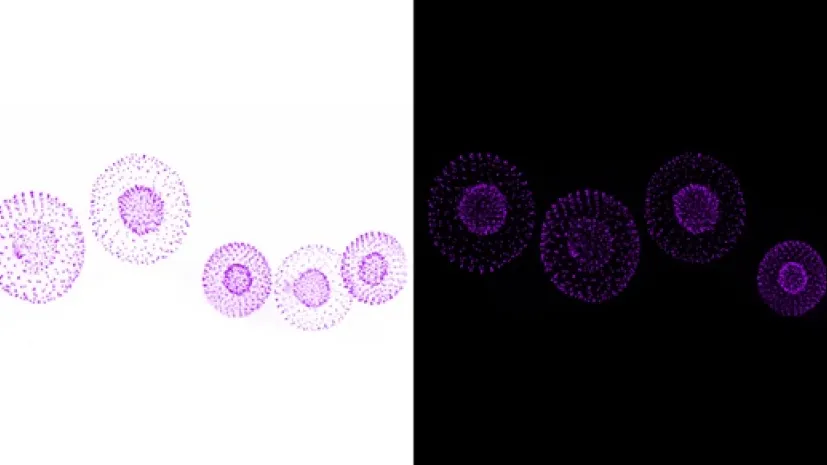
  • Microscopic view of human egg cells against white and black backgrounds; an egg cell stained purple; Adobe Stock
    Life

    Giving egg cells a second chance: Polish scientists explore new fertility treatment

    Some egg cells collected during fertility treatment are not mature enough to be fertilised and are therefore unusable. But what if they could be given another chance to develop? A researcher in Poland is working on a method that could enable immature egg cells to mature in the laboratory, potentially opening up new possibilities for infertility treatment and fertility preservation.

  • Adobe Stock
    Technology

    Can glass be made from metal?

    We tend to think of metals as hard, crystalline materials and glass as brittle and transparent. Yet a class of materials known as ‘metallic glass’ combines metallic strength with an unusual, disordered atomic structure.

  • Adobe Stock
    Space

    Scientists solve 20-year mystery hidden in ancient stardust

    Tiny grains of dust found in meteorites preserve traces of stars that existed long before the Sun was born. Some contain an unexpectedly high proportion of molybdenum-94, an isotope whose abundance has puzzled astrophysicists for around two decades.

  • Adobe Stock
    Life

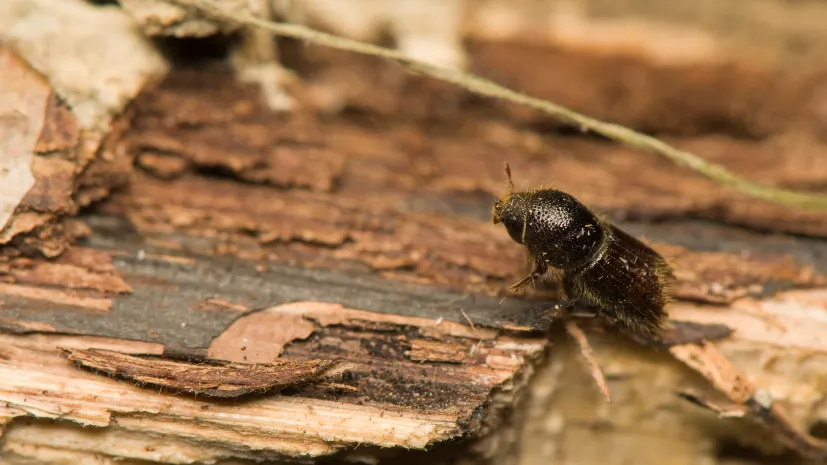
    Polish research looks to turn forest pests into a valuable resource

    Bark beetles and other forest pests are usually treated as a threat to trees. But insects collected in forests could also become a valuable source of raw materials for medicine, food production and agriculture.

  • Credit: J. Sułkowska 
    Life

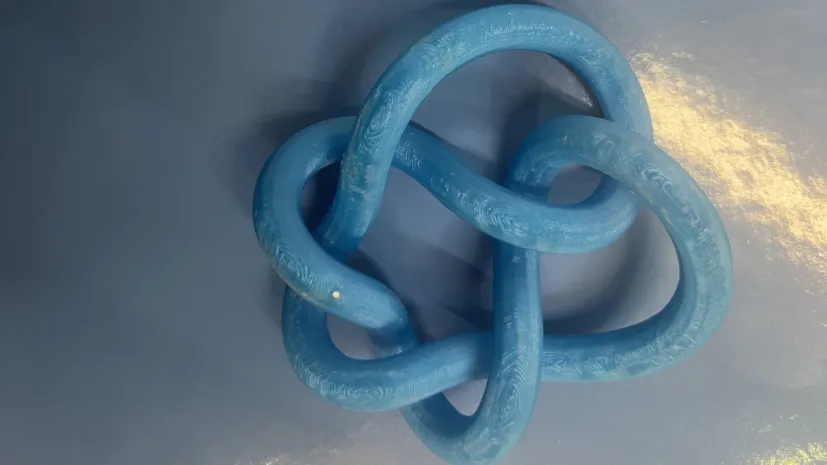
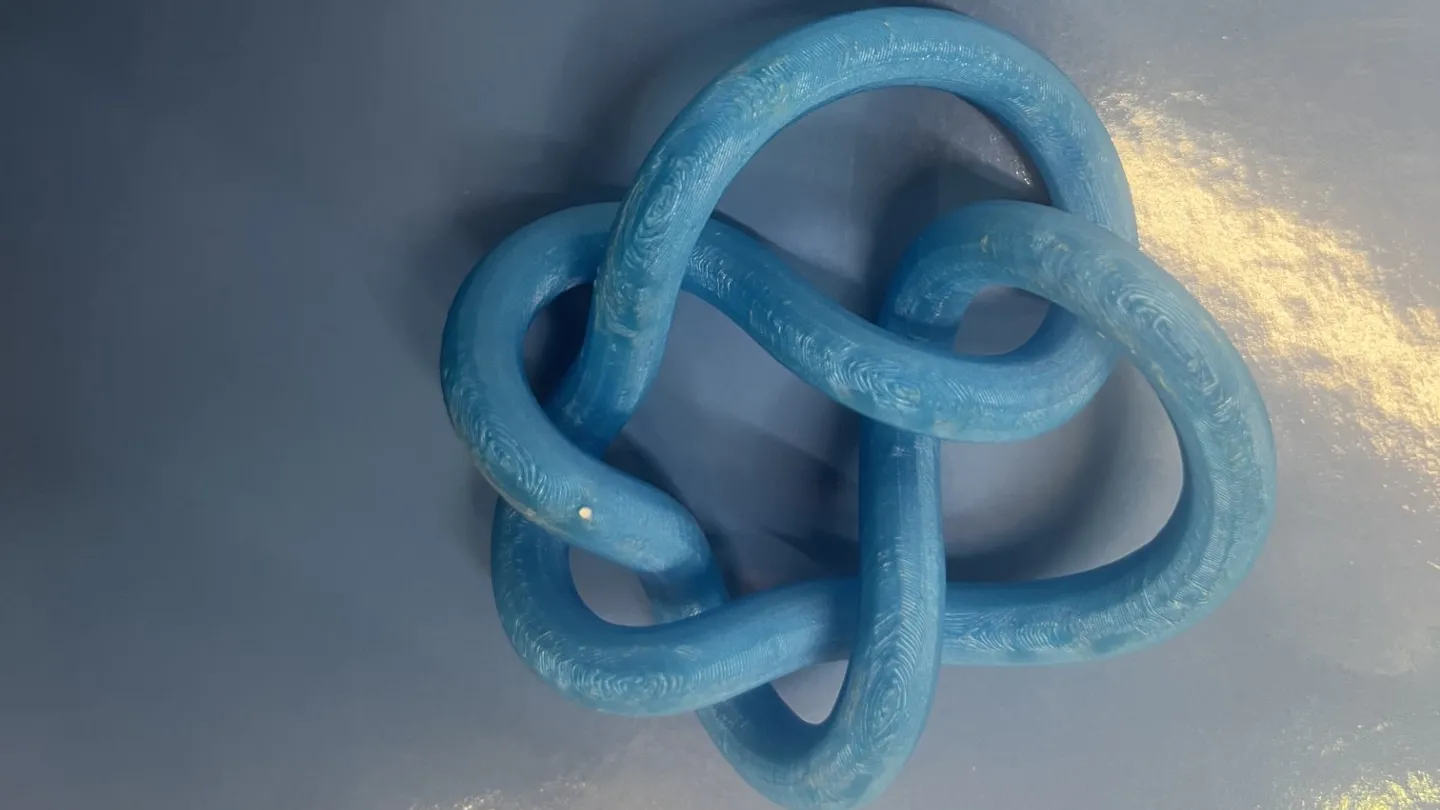
    Scientists discover protein knot once thought impossible – thanks to AI

    What researchers initially suspected was an AI hallucination has led to the discovery of a previously unknown family of proteins. Scientists from the University of Warsaw have identified a protein knot so complex that existing theories suggested it could not form spontaneously.

  • Adobe Stock

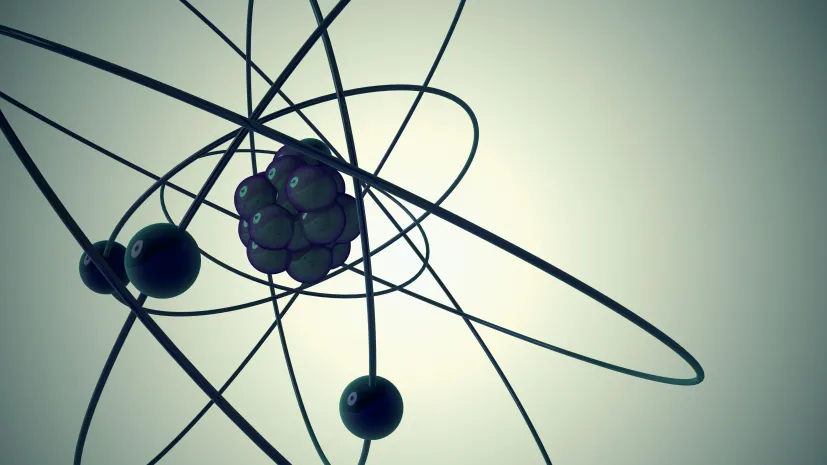
    New findings challenge long-held view of what holds a proton together

    The particles that hold a proton together may also carry one of its most fundamental properties, according to new research. Measurements from the STAR experiment suggest that a proton's baryon number may be associated not only with its three quarks, as traditionally thought, but also with the gluon field that binds them together.

  • Credits: Marcin Muszyński, Faculty of Physics, University of Warsaw „Faza nadstała (supersolid) to niezwykły stan materii, który łączy nadciekłość ze spontanicznym tworzeniem się okresowej, przypominającej kryształ struktury”

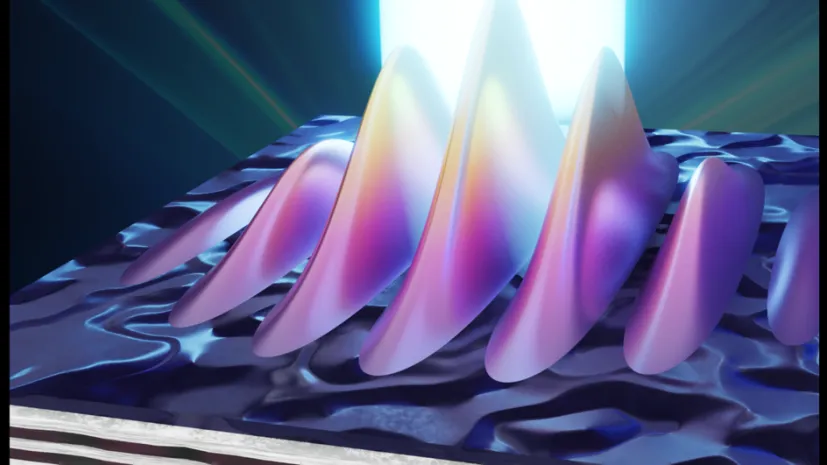
    Polish physicists create exotic quantum state of matter using light

    Physicists from the University of Warsaw have created an unusual quantum state of matter known as a supersolid at room temperature, using light trapped inside an optical microcavity.

Most Popular

  • Credit: J. Sułkowska 

    Scientists discover protein knot once thought impossible – thanks to AI

  • How does the brain know what belongs to us? Polish scientists uncover the answer

  • Polish physicists create exotic quantum state of matter using light

  • New findings challenge long-held view of what holds a proton together

  • Polish archaeologists uncover nearly 100 ancient handaxes in remote Kalahari Desert

Recommended

Adobe Stock

Is Mars still volcanically active? Probe detects gas above giant volcano

Mars may not be as geologically dead as once thought. A European space probe has detected traces of hydrogen chloride in the atmosphere above cracks on the slopes of a vast Martian volcano, suggesting that magma could still be present beneath the planet’s surface.