
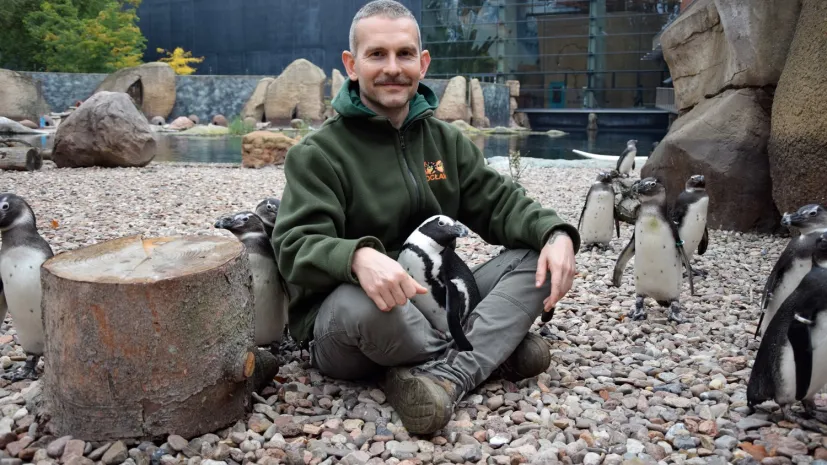
Wrocław scientists looking to create ‘penguin sperm bank’ to preserve endangered species
Research is underway on a method of cryopreservation of African penguin sperm. The species is endangered so scientists believe that a sperm bank will help preserve a large gene pool, which will be helpful in the possible reconstruction of the species in the natural environment.
-
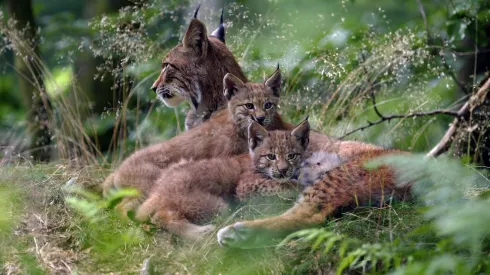
Lynx orphans can help restore wild populations
Releasing lynx saved from death into the natural environment is a good solution, it supports local populations of these predators, say experts after analysing the fate of 66 lynxes released after rehabilitation. The condition is professional rehabilitation of these wild animals.
-
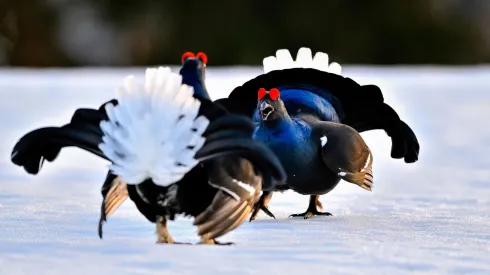
Black grouse population in Poland nearly extinct, warns biologist
The black grouse population in Poland is on the verge of extinction, says Michał Adamowicz from the Faculty of Biology at the University of Warsaw. Over a few decades, it decreased from 30,000 to less than 300. The reasons include climate warming, the influx of alien species resulting mainly from human activity, and landscape changes for agricultural areas.
-
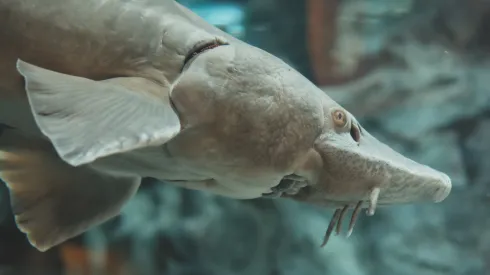
Restoring sturgeon population - 5,000 fry released into Drawa
A whopping 5,000 Baltic sturgeon fry were released into the Drawa River this autumn by employees of the Drawa National Park together and their colleagues from Germany. This is part of a program to restore the population Baltic sturgeon fry which was considered ‘extinct’.
-
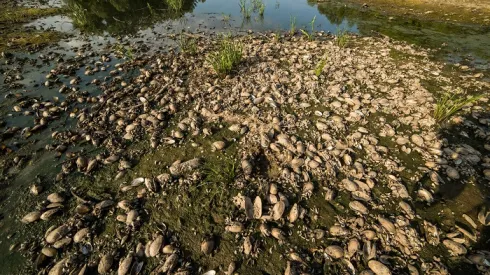
Scientists identify threats to mussels - the fastest disappearing group of animals in the world
Freshwater mussels are found across the globe, they are also one of the fastest disappearing and least studied groups of animals in the world.
-
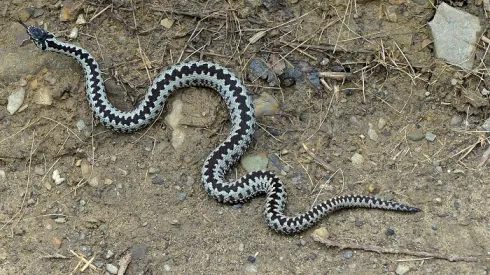
One in five reptile species threatened with extinction, says new report
A staggering 21 percent of reptiles in the world are threatened with extinction, a new report in Nature says.
-
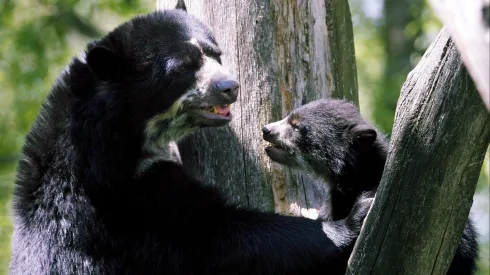
Un-bear-able! Peru bears facing extinction because of human poaching and encroachment
Bears in Peru are facing extinction as humans encroach upon their natural habitats, scientists have warned.
-
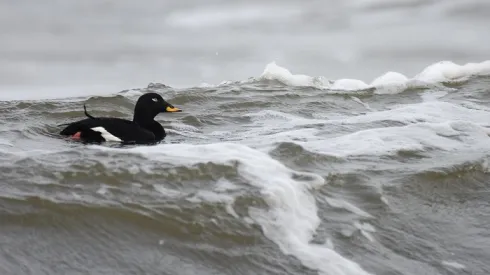
Zoologist: Bycatch of seabirds in fishing nets in Polish waters underestimated
In the 1970s, 47 thousand birds per year died in fishing nets as a result of bycatch, in the 1980s and 1990s it was about 40,000 birds, and in the second decade of the 21st century - approx. 21 thousand birds, according to new data analyses concerning Polish waters. The scale of bird bycatch was previously seriously underestimated.
-
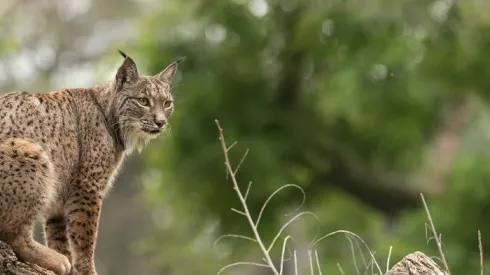
Iberian lynx has fewer harmful mutations than its Eurasian cousin
Iberian lynx, the most endangered wild cat species, has fewer harmful mutations than the more common Eurasian lynx, according to new research by scientists from Spain, Poland, France and Russia, published in PNAS.
-
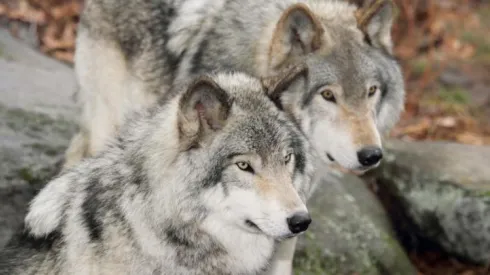
Amid growing concern about wolf attacks, experts discuss the best way to protect them
Over 20 years of strict wolf protection laws has allowed the population to grow in Poland, but public opinion is divided over whether it is safe for humans or not.
Most Popular
-

Polish inventor says his levitating trains could transform global transport
-
Hundreds of monumental tomb structures have been discovered in Africa thanks to the analysis of satellite images
-
New method developed by Polish chemists allows to recover 95% of lithium from salt waste
-
Parent’s burnout may be preceded by decline in interest in child's emotions and thoughts
-
Scientists observe rapid alpha decay from ground state
Recommended

Polish inventor says his levitating trains could transform global transport
A Polish inventor whose magnetic rail technology has been shortlisted for the European Inventor Award 2026 says trains travelling at speeds of up to 550 km/h on existing rail infrastructure could become a reality within about a decade.












