
-

Poland urged to build ‘sponge cities’ to tackle heat and floods
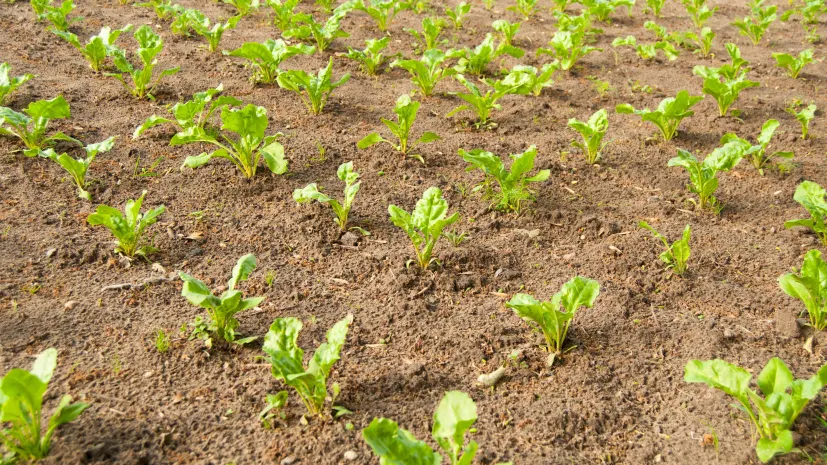
Poland needs “sponge cities” that work with nature to protect residents from heatwaves, drought and flooding during heavy rainfall, experts said during a climate debate at the Polish Sejm.
-

City coots are losing their fear of people
Coots that have lived in Warsaw for generations have become far less afraid of people and unfamiliar objects than birds living outside cities, with some refusing to leave their nests even when touched by hand.
-

Could life exist in the sulphuric acid clouds of Venus?
New experiments suggest that some of the building blocks of life can survive – and even form complex structures – in concentrated sulphuric acid, raising new possibilities for organic chemistry in the clouds of Venus and on other planets.
-
Kraków scientists find new way to identify the best eggs for IVF
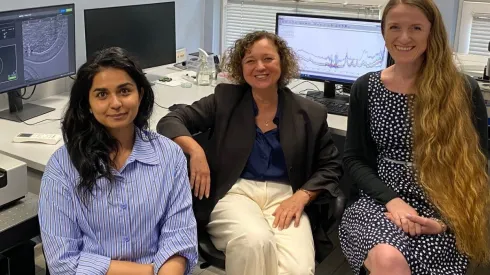
The distribution of lipid droplets inside an egg cell could reveal its chances of developing successfully, according to researchers from Kraków who have developed a non-invasive way to examine living human egg cells in three dimensions.
-
Light pollution reshuffles predators and prey beneath the water
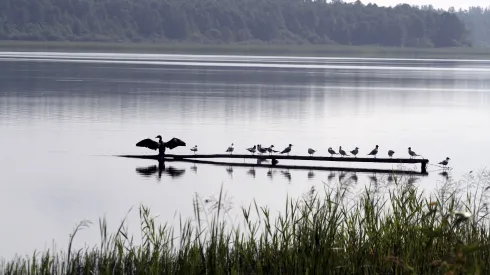
Even moderate artificial light that reaches the surface of a lake at night can change the distribution of predators and prey and disrupt the natural migrations of zooplankton. Limiting the light that reaches water bodies can help preserve natural relationships between aquatic organisms.
-
From hedgehogs to lynx: Polish roads kill animals from 55% of the country’s wildlife species
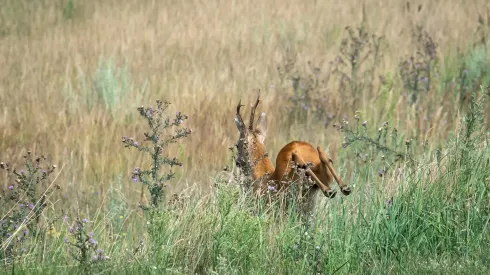
More than half of Poland’s terrestrial vertebrate species have been recorded among animals killed on the country’s roads, including common hedgehogs, blackbirds and grass snakes as well as rare and endangered species such as the European pond turtle, lynx and Aesculapian snake, according to research published in Scientific Reports.
-
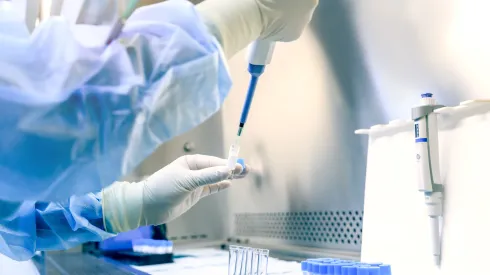
Polish scientists create first catalogue of proteins whose variants may be linked to rare diseases
The first systematic catalogue of 267 cullin–RING ligase substrate receptors, 93 of which have already been linked to genetic diseases, has been created by scientists from the International Institute of Molecular and Cell Biology (IIMCB).
-
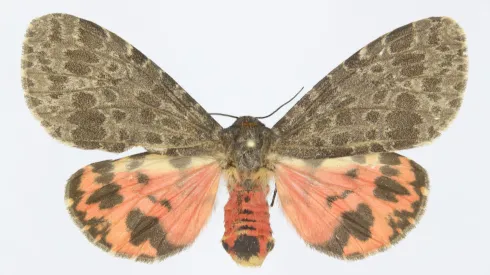
Moth stowaway from India could become invasive pest in Africa
Cargo trucks, planes and ships can carry stowaways such as insects. If they find favourable conditions for living and breeding after arriving in a new environment, they can establish themselves, and some can become invasive species that threaten local ecosystems.
-
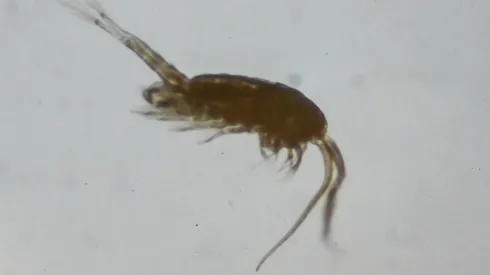
Scientists from Szczecin discover new crustacean species off Norwegian coast
Hydrobiologists from the University of Szczecin, working with scientists from Norway, Germany and Austria, have discovered a new crustacean species that had previously been mistaken for another species described more than 170 years ago.
Most Popular
-
Polish scientists turn cold plasma into weapon against crop diseases
-
Words that confuse our emotions hold our attention, Polish study finds
-
Polish scientists find unlikely allies for plants growing in toxic soil
-
Battery waste could help concrete store more heat
-
Polish engineers building the brains of Europe’s new defence satellite system