

Polish brain-computer interface confirmed 'to work in space’
Astronauts aboard the International Space Station have successfully controlled a computer interface using only brain signals during the PhotonGrav experiment, part of Poland’s IGNIS mission. Despite physiological changes caused by microgravity, the system achieved an average control accuracy exceeding 80 percent.
-
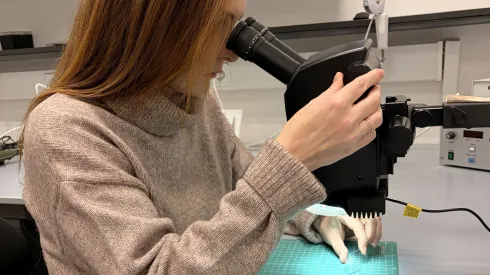
Polish scientists develop nanocomposite that produces biocides on demand
Polish scientists have developed a silica-based nanocomposite known as B-STING, that can automatically generate biocidal substances in response to microorganisms, effectively targeting bacteria, fungi, and viruses while remaining safe for human cells.
-
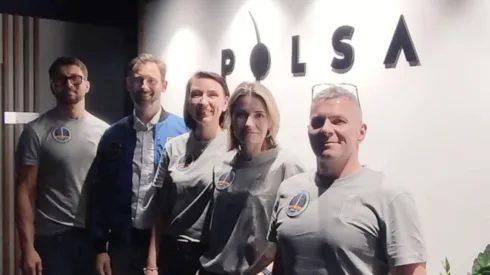
Neurofeedback brain training protects astronauts from stress during space missions
Brain training with neurofeedback proved to effectively protect astronauts from stress, specifically the stressor of social isolation, during missions to the International Space Station, according to results from the Polish IGNIS mission.
-

Poland expands satellite programme as launches and capabilities increase
Poland is launching increasingly advanced satellites as a result of decades of building space expertise, cooperation with the European Space Agency (ESA), supportive government decisions and growing private investment, according to Tomasz Barciński, PhD, of the Space Research Centre of the Polish Academy of Sciences (PAS).
-

Data centres could double water use by 2028, Polish Economic Institute warns
Data centres could consume up to 150 million cubic metres of water by 2028, twice as much as in 2023, according to a report by the Polish Economic Institute (PIE).
-
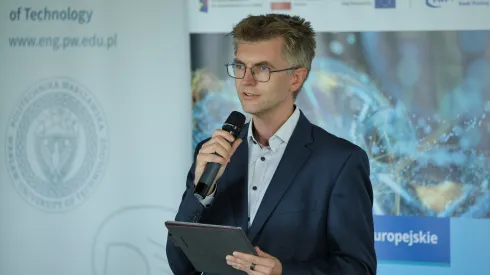
AI ‘hacks our thinking system' to appear correct, warns expert
AI models are designed to persuade and appear correct, but they do not truly understand the world, and this can make them dangerous in high-risk areas, according to Professor Przemysław Biecek, Director of the Centre for Credible Artificial Intelligence (CCAI) at Warsaw University of Technology.
-

XMaS beamline helps develop methane recovery technology
XMaS may sound like Christmas, but for physicists it is the name of a powerful X-ray beamline, and one that has now revealed, almost live, how copper atoms wander inside a catalyst critical for turning methane into methanol.
-

Polish scientists patent cold plasma method to protect plants from bacteria
A scientific team from Gdańsk and Wrocław have obtained a patent for a method of protecting plants against bacteria using cold atmospheric plasma.
-

Polpharma to receive PLN 30 mln in state funding for RNA drug technology development
Poland’s largest pharmaceutical company, Polpharma, will receive PLN 30 million to develop production technology for RNA-based drugs, Poland’s Minister of Development Funds and Regional Policy has announced.
-
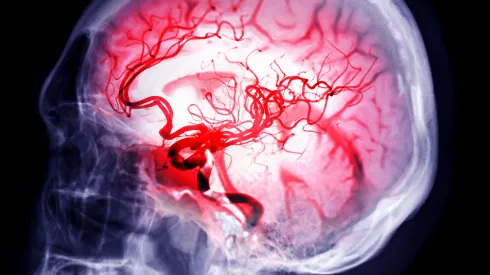
Gdańsk scientists develop AI to detect brain aneurysms
Scientists from three Gdańsk centres are developing an artificial intelligence tool that could dramatically improve the early detection of brain aneurysms, potentially preventing ruptures and haemorrhages.
Most Popular
-

Poland emerges as key player in CERN’s ALICE experiment after Russia’s exit, says Polish physicist
-
We value honesty but consider 'prosocial liars' more moral, study finds
-
Polish scientists develop nanocomposite that produces biocides on demand
-
Polish brain-computer interface confirmed 'to work in space’
-
Ancient three-clawed turtles roamed farther north than previously thought, study finds
Recommended
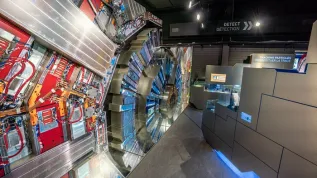
Poland emerges as key player in CERN’s ALICE experiment after Russia’s exit, says Polish physicist
Poland’s role in the ALICE experiment at European Organization for Nuclear Research (CERN) has grown significantly following the end of cooperation with Russia, according to Krystian Rosłon of the Warsaw University of Technology.










