-
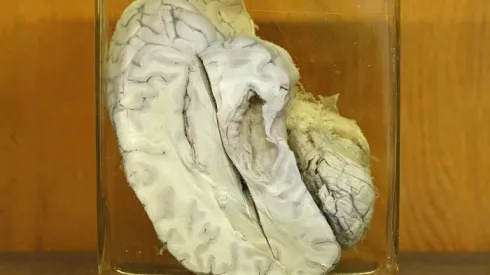
Brain model reveals how neural chaos is kept under control
A model of the brain’s visual cortex suggests how neural activity can remain highly variable without making perception unstable. Researchers found that mechanisms resembling excitation, inhibition and slower self-regulation can prevent tiny differences in initial brain activity from producing radically different outcomes.
-

Scientists find microscope beams can change chemical reactions
A microscope designed to watch a chemical reaction can actually change what happens inside the sample, Polish researchers have shown.
-

Polish scientists find unlikely allies for plants growing in toxic soil
Microorganisms from clean environments may be better at helping plants survive heavy metal contamination than microbes that have adapted to polluted habitats, a study by Polish researchers suggests.
-

Poland urged to build ‘sponge cities’ to tackle heat and floods
Poland needs “sponge cities” that work with nature to protect residents from heatwaves, drought and flooding during heavy rainfall, experts said during a climate debate at the Polish Sejm.
-

City coots are losing their fear of people
Coots that have lived in Warsaw for generations have become far less afraid of people and unfamiliar objects than birds living outside cities, with some refusing to leave their nests even when touched by hand.
-

Could life exist in the sulphuric acid clouds of Venus?
New experiments suggest that some of the building blocks of life can survive – and even form complex structures – in concentrated sulphuric acid, raising new possibilities for organic chemistry in the clouds of Venus and on other planets.
-
Kraków scientists find new way to identify the best eggs for IVF
The distribution of lipid droplets inside an egg cell could reveal its chances of developing successfully, according to researchers from Kraków who have developed a non-invasive way to examine living human egg cells in three dimensions.
-
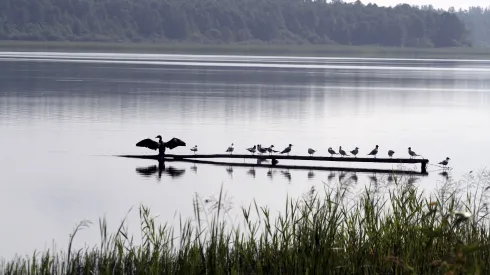
Light pollution reshuffles predators and prey beneath the water
Even moderate artificial light that reaches the surface of a lake at night can change the distribution of predators and prey and disrupt the natural migrations of zooplankton. Limiting the light that reaches water bodies can help preserve natural relationships between aquatic organisms.
-

From hedgehogs to lynx: Polish roads kill animals from 55% of the country’s wildlife species
More than half of Poland’s terrestrial vertebrate species have been recorded among animals killed on the country’s roads, including common hedgehogs, blackbirds and grass snakes as well as rare and endangered species such as the European pond turtle, lynx and Aesculapian snake, according to research published in Scientific Reports.
Most Popular
-

Polish archaeologists uncover ‘lavish home of Roman legion commander’
-
Nightingale songs may tell mice when it’s safe to feed
-
People who struggle with uncertainty choose like-minded friends
-
Brain model reveals how neural chaos is kept under control
-
Nanoplastics trigger stress in human immune cells within an hour