Adobe Stock

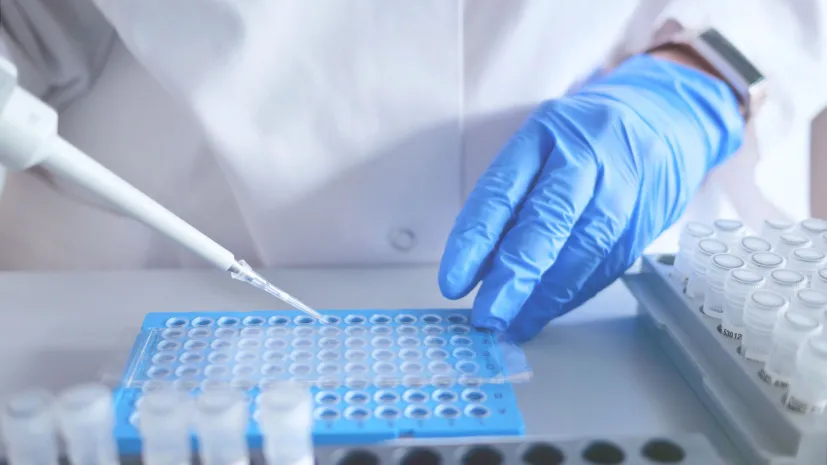
Polish scientists develop gene therapy candidates for ultra-rare PUS3 syndrome,

Polish researchers have developed four gene therapy candidates for patients with PUS3 syndrome, an ultra-rare genetic disorder believed to have Polish origins, with one candidate expected to be selected for clinical use, according to geneticist Professor Leszek Lisowski.

  • Polish astronaut Sławosz Uznański-Wiśniewski during a meeting at the Warsaw University of Technology (mr) PAP/Paweł Supernak
    Technology

    IGNIS mission alters astronauts’ vitamin D levels and balance, AI analysis shows

    Preliminary results from the Astro Performance experiment indicate that astronauts returning from the IGNIS mission experienced significant changes in vitamin D levels and motor stability, researchers said, after analysing more than 14,000 health parameters collected before and after the flight.

  • Adobe Stock
    Health

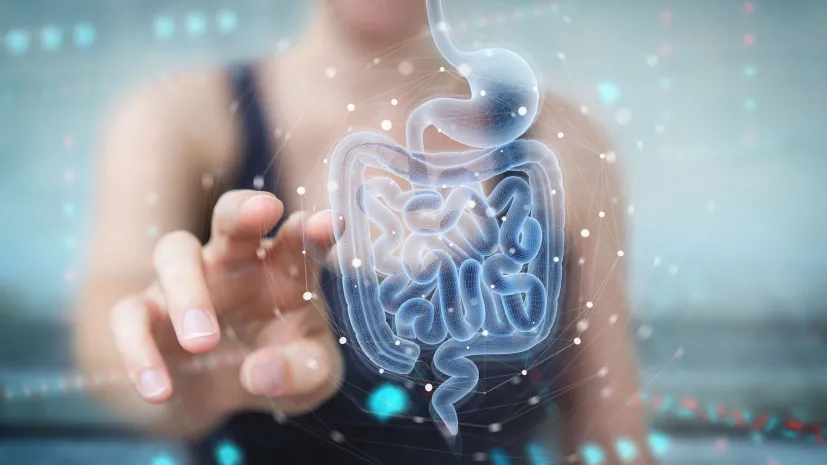
    Gut-brain axis linked to schizophrenia severity and trauma impact, Wroclaw study finds

    Research by scientists at the Wroclaw Medical University has found that the gut-brain axis may play a significant role in psychotic disorders, with evidence linking gut microbiota composition to schizophrenia, including its deficit subtype, and to traumatic experiences.

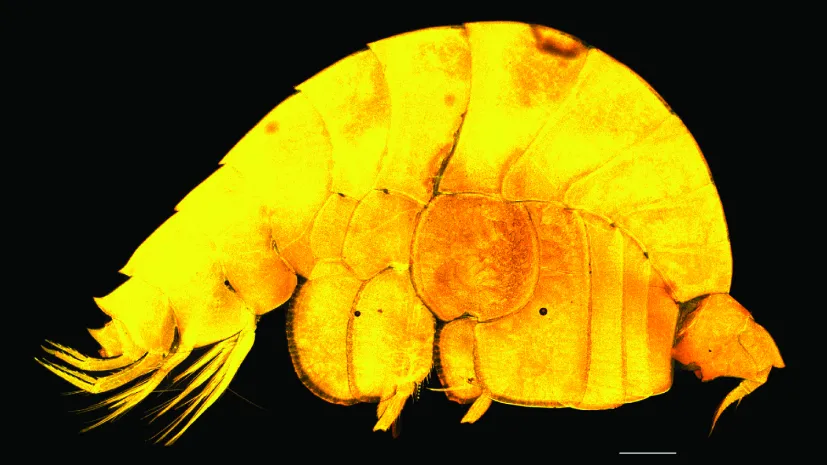
  • Source: Promotion Centre, Faculty of Biology and Environmental Protection, University of Lodz
    Life

    Scientists discover 24 new species of crustaceans in deep Pacific

    Scientists have identified 24 new species of amphipod crustaceans, including an entirely new superfamily, in the depths of the Central Pacific Ocean, one of the least explored ecosystems on Earth.

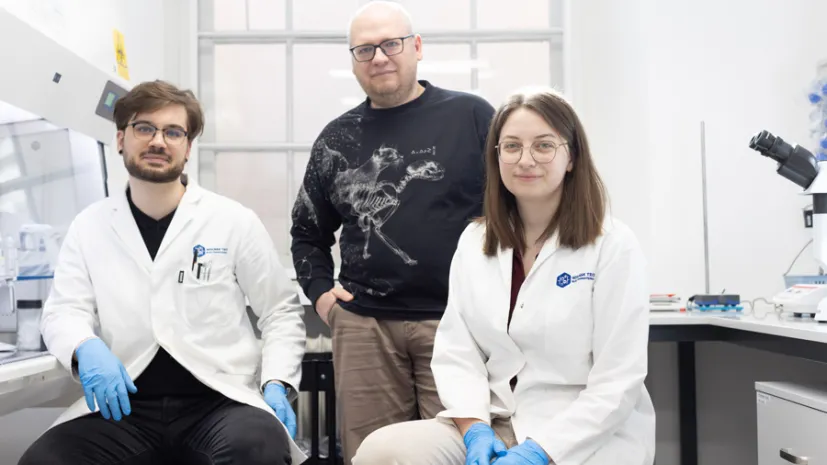
  • Tomasz Swebocki, PhD, a professor at the Gdańsk University of Technology, Professor Jacek Ryl, Angelika Łepek. Credit: Łukasz Głowala / Gdańsk University of Technology
    Health

    Gelatine-based eutectogels show promise for wound healing and drug delivery, Gdańsk researchers say

    Scientists at Gdańsk University of Technology have developed gelatine-based eutectogels that could be used in the treatment of difficult-to-heal wounds and in controlled drug delivery systems, the university said.

  • Adobe Stock
    Technology

    Generative AI misuse can weaken students’ independent thinking, study finds

    Misuse of generative artificial intelligence tools in education can weaken independent thinking and hinder knowledge development, particularly among students without a strong foundation in a subject, research and experiments show.

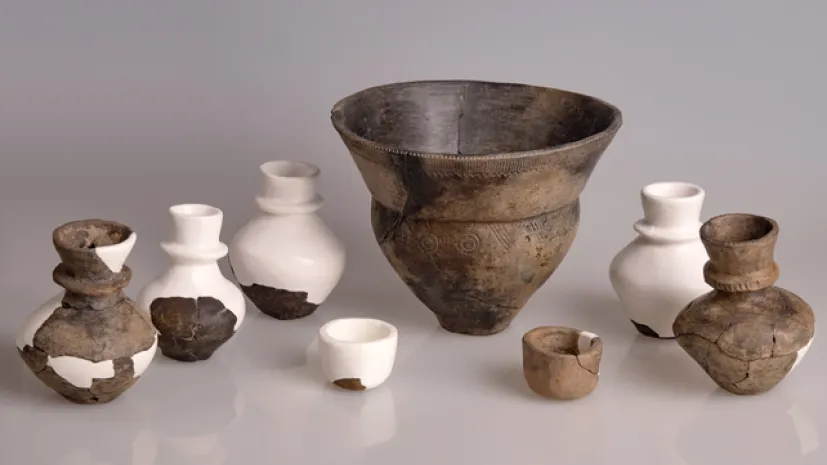
  • A drinking set from Sławęcinek. The cup was found in two parts, in separate pits. The reconstruction of the vessels to their complete form is based on pottery fragments used for biomolecular analysis (photo credit: W. Ochotny). Source: Praehistorische Zeitschrift

    Archaeologists discover traces of Neolithic lactose-free milk feasts in Poland

    Archaeologists in Poland have uncovered ceramic vessels used to drink lactose-reduced milk beverages around 5,500 years ago, likely during ritual feasts connected to funerals.

  • Adobe Stock
    Life

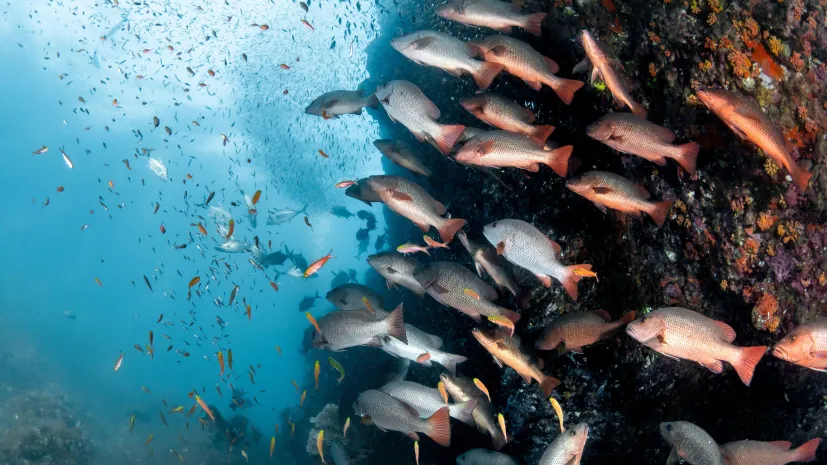
    Fish are shrinking due to overfishing and climate change, study warns

    Fish are shrinking not only due to intensive fishing but also because of evolutionary responses to climate change, according to research by scientists from Poland and Australia published in Science.

  • Photo from press release
    Technology

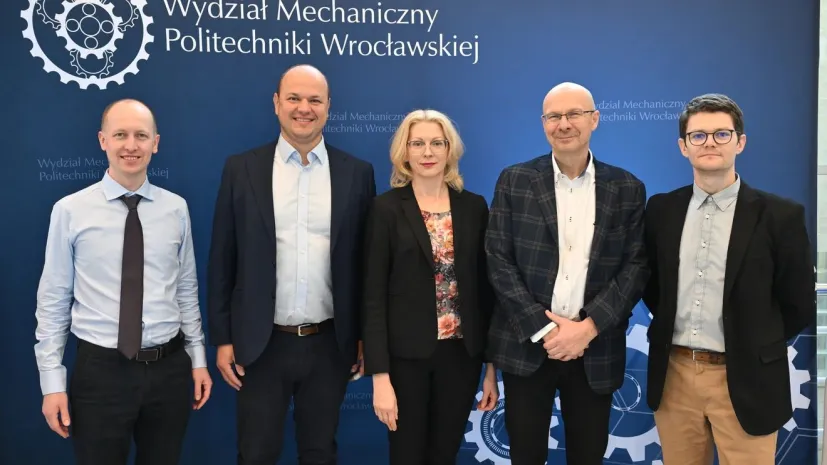
    Polish scientists develop 3D metal printing technology for use in space

    A team from Wrocław University of Science and Technology is part of an international consortium developing 3D metal printing technology for microgravity environments, aiming to enable production of spare parts directly in orbit.

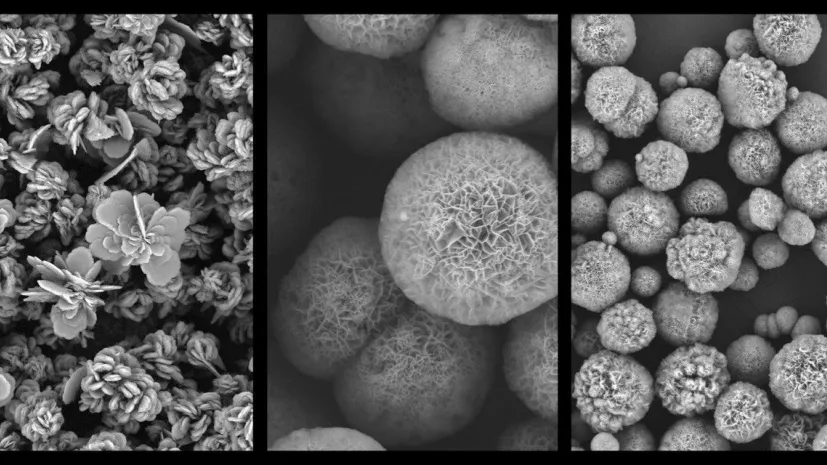
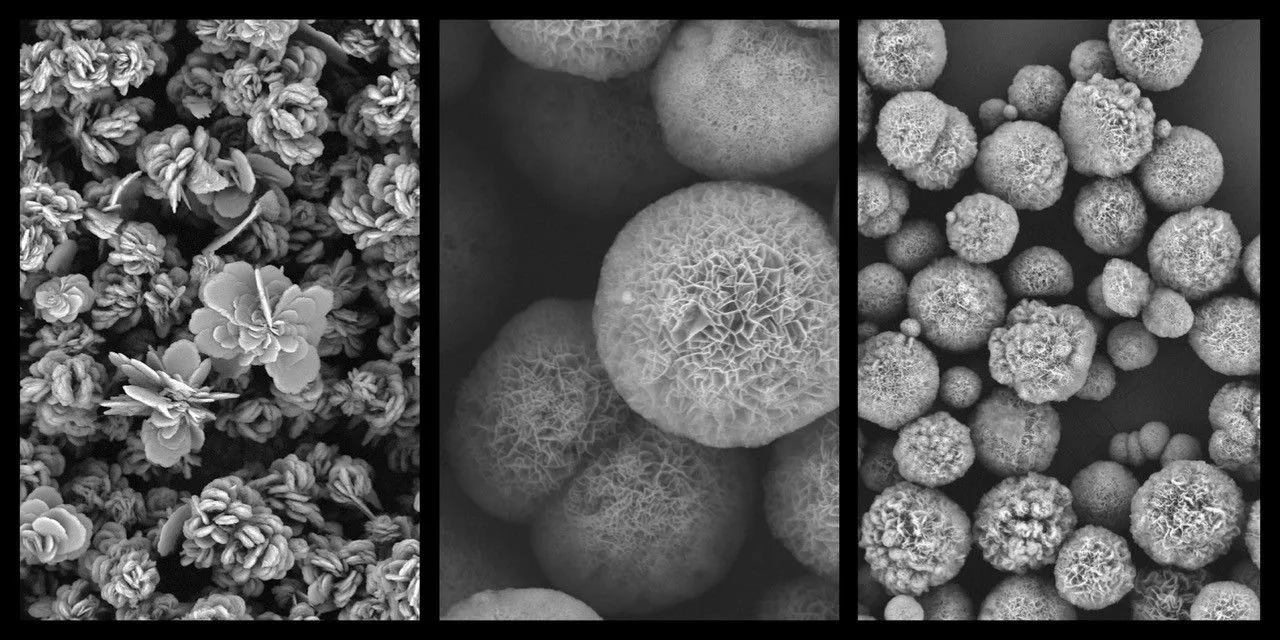
  • Electron microscope images show nanoflowers derived from various proteins. Credit: Kamila Sadowska, PhD, Institute of Biocybernetics and Biomedical Engineering, Polish Academy of Sciences
    Health

    Polish scientists develop ‘nanoflowers’ for targeted antibiotic delivery in bone infections

    Polish researchers have developed microscopic “nanoflowers” that allow antibiotics to be delivered directly to infected bones, enabling drugs to act faster, more effectively, and with reduced toxicity. The technology could be a breakthrough in the treatment of osteomyelitis, a severe bone and bone marrow disease that can lead to bone necrosis and growth disorders in children.

Most Popular

  • Electron microscope images show nanoflowers derived from various proteins. Credit: Kamila Sadowska, PhD, Institute of Biocybernetics and Biomedical Engineering, Polish Academy of Sciences

    Polish scientists develop ‘nanoflowers’ for targeted antibiotic delivery in bone infections

  • Archaeologists discover traces of Neolithic lactose-free milk feasts in Poland

  • Polish scientists develop gene therapy candidates for ultra-rare PUS3 syndrome,

  • Generative AI misuse can weaken students’ independent thinking, study finds

  • IGNIS mission alters astronauts’ vitamin D levels and balance, AI analysis shows

Recommended

Source: Promotion Centre, Faculty of Biology and Environmental Protection, University of Lodz

Scientists discover 24 new species of crustaceans in deep Pacific

Scientists have identified 24 new species of amphipod crustaceans, including an entirely new superfamily, in the depths of the Central Pacific Ocean, one of the least explored ecosystems on Earth.