Search Results
-

Polish-built system passes key test for Mars rover
A Polish-built system designed to guide Europe's Rosalind Franklin rover from its landing platform onto the surface of Mars has successfully completed tests simulating the planet's harsh conditions, its developer said.
-
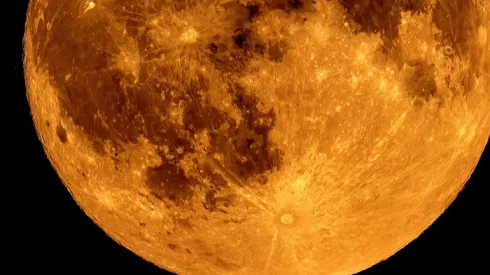
Polish space tech to hunt for the Moon’s richest resources
A Polish company is developing a spectrometer designed to identify areas of the Moon richest in raw materials. The instrument is being built under a European Space Agency (ESA) contract.
-
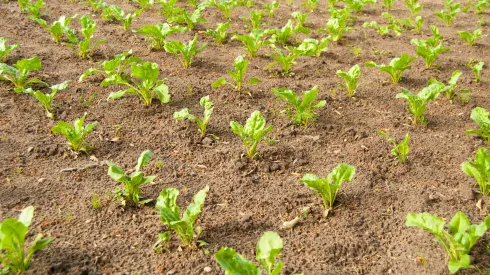
Polish scientists find unlikely allies for plants growing in toxic soil
Microorganisms from clean environments may be better at helping plants survive heavy metal contamination than microbes that have adapted to polluted habitats, a study by Polish researchers suggests.
-
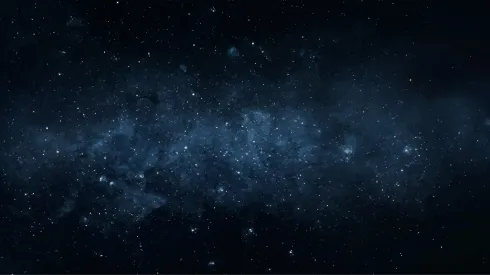
Polish scientist joins Roman telescope’s search for thousands of new worlds
A Polish astronomer is helping the newly launched Nancy Grace Roman Space Telescope hunt for thousands of new worlds, including around 1,500 exoplanets that could shed light on how common Earth-like planets are.
-
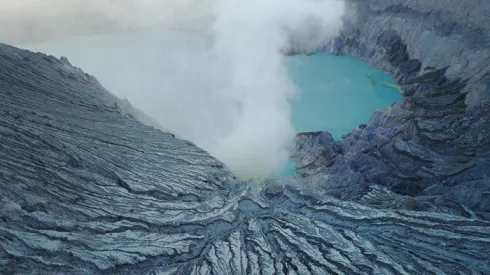
Could life exist in the sulphuric acid clouds of Venus?
New experiments suggest that some of the building blocks of life can survive – and even form complex structures – in concentrated sulphuric acid, raising new possibilities for organic chemistry in the clouds of Venus and on other planets.
-

From hedgehogs to lynx: Polish roads kill animals from 55% of the country’s wildlife species
More than half of Poland’s terrestrial vertebrate species have been recorded among animals killed on the country’s roads, including common hedgehogs, blackbirds and grass snakes as well as rare and endangered species such as the European pond turtle, lynx and Aesculapian snake, according to research published in Scientific Reports.
-
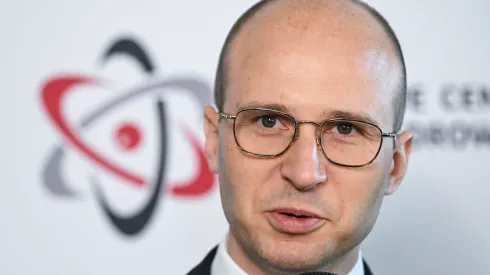
Poland among world’s top hydrogen producers, expert says
Poland is one of the world’s top hydrogen producers, while Polish researchers are developing technologies that could use the gas to store renewable energy and produce synthetic fuels, according to Professor Jakub Kupecki, head of the National Centre for Nuclear Research (NCBJ).
-
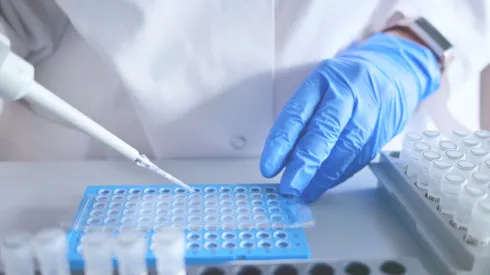
University of Wrocław scientists 'program cells’ to boost efficacy of targeted cancer therapies
Scientists from the University of Wrocław have demonstrated that cancer cells can be chemically ‘programmed’ to take up drugs used in targeted therapies, potentially allowing treatment to be directed towards cancer cells rather than healthy ones.
-
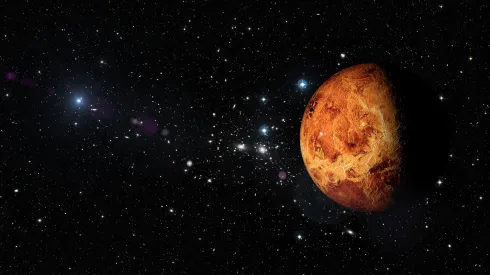
Clouds of Venus hide something that strongly absorbs light
Venus appears pale yellow in visible light, but looks dramatically different in ultraviolet, where dark and light bands are visible across the planet’s clouds. Scientists have now developed a model that narrows down what the mysterious substance responsible for this strong ultraviolet absorption could be, according to the Institute for Basic Science (IBS) in South Korea.
-
Gut bacteria produce proteins linked to Parkinson’s and Alzheimer’s, study finds
Bacteria in the human gut can produce proteins that look remarkably similar to those involved in diseases such as Parkinson’s and Alzheimer’s, according to analyses by scientists from the Wrocław University of Science and Technology.
Najpopularniejsze
-

Polka znalazła sposób na powstrzymanie bakterii zagrażających składowiskom odpadów jądrowych
-
Sudan/Polacy odkryli kolejne elementy jednej z najważniejszych świątyń średniowiecznej Afryki
-
Gdańsk/ Archeolodzy odnaleźli 28 tys. niewybuchów, przebadali plac apelowy i odkryli unikatowe zabytki na Westerplatte
-
Gastroenterolog: rak trzustki często wykrywany jest w zaawansowanym stadium
-
Raport: 67 proc. Polaków używa AI, ale 79 proc. odrzuca relacje emocjonalne z technologią

Ekspert: jako pierwsi w naszym regionie Europy rozwijamy przeciwnowotworową terapię komórkową TIL
Terapie komórkowe są jednym z ostatnich trendów w rozwoju metod leczenia nowotworów. W Narodowym Instytucie Onkologii (NIO) jako pierwsi w naszym regionie Europy rozwijamy terapię wykorzystującą limfocyty T naciekające guz (TIL) – poinformował PAP prof. Piotr Rutkowski z NIO.