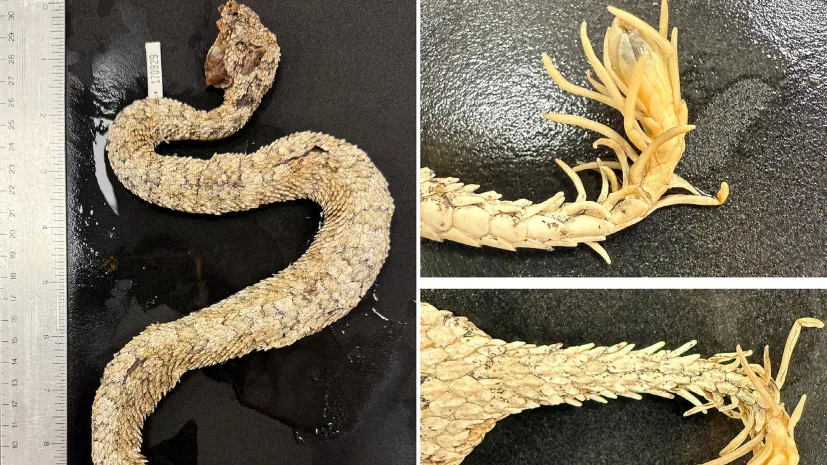
Iran’s spider-tailed viper has a tail unlike any other, study finds
A horned viper found in Iran lures birds with a bizarre tail tip resembling a spider. Now, scientists have used 3D imaging to investigate the snake's anatomy, finding that its bizarre lure is formed by elongated scales rather than unusually shaped vertebrae.
-

Millet was eaten in Poland more than a century earlier than thought
Evidence of millet consumption in what is now Poland dates back to around 1590 BCE, more than a century earlier than previously thought. Bronze Age communities gradually incorporated the drought-resistant, fast-growing cereal into their diets, expanding the range of land they could use for agriculture.
-
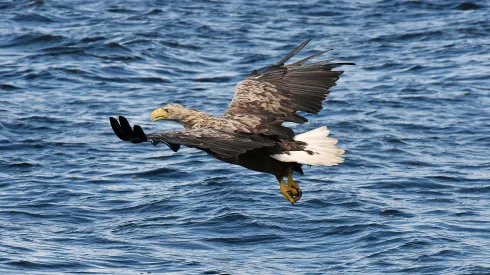
Artificial islands become vital breeding grounds for rare Polish birds - but for how long?
It took just a few years for two artificial islands in the Szczecin Lagoon to become some of Poland’s most important breeding grounds for rare birds. But researchers warn that the success may be short-lived: as one of the islands becomes overgrown, species that depend on open ground are already disappearing.
-

Scientists investigate how to predict extreme weather
Scientists from Poland and Taiwan are developing a new way to measure humidity in the lower atmosphere more accurately and investigate whether better atmospheric data can improve forecasts of severe weather.
-

Sea sponges are ‘trapping plastic pollution inside their skeletons’
A natural sea sponge may seem about as far removed from plastic as it is possible to get. Yet researchers have found fibres, particles and film fragments made of several types of plastic embedded in the skeletons of two commercially harvested sponge species.
-
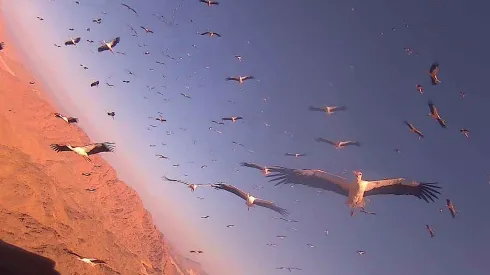
Now, that’s a bird’s eye view! Scientists ask public to rate photos taken by storks
Storks are taking photographs from the sky - and scientists are asking the public to decide which images are worth a second look.
-
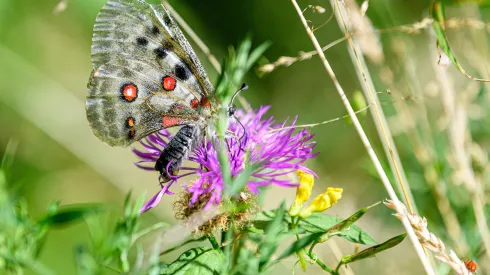
Beautiful butterflies get more scientific attention and legal protection, study finds
Butterfly species considered more beautiful by humans are more likely to attract scientific attention and receive legal protection under European conservation rules, according to an international study involving researchers from the University of Białystok.
-
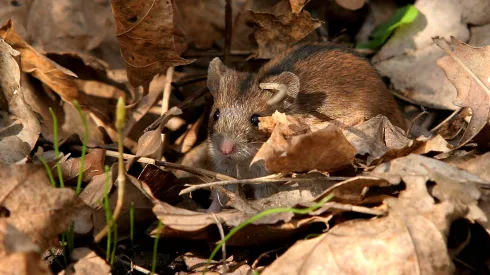
Nightingale songs may tell mice when it’s safe to feed
Mice and voles may use the sounds of other animals to work out whether a predator is nearby and even whether a place is safe enough to feed.
-
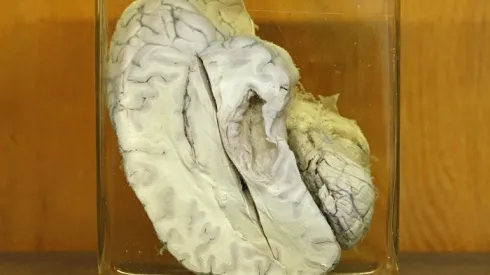
Brain model reveals how neural chaos is kept under control
A model of the brain’s visual cortex suggests how neural activity can remain highly variable without making perception unstable. Researchers found that mechanisms resembling excitation, inhibition and slower self-regulation can prevent tiny differences in initial brain activity from producing radically different outcomes.
-

Scientists find microscope beams can change chemical reactions
A microscope designed to watch a chemical reaction can actually change what happens inside the sample, Polish researchers have shown.
Most Popular
-
How the brain’s ‘brakes’ help us learn and form memories
-
Iran’s spider-tailed viper has a tail unlike any other, study finds
-
Mental disorders account for the greatest loss of years lived in full health
-
Why charging your phone to 100% can damage its battery
-
Polish physicists develop sensor that remembers light
Recommended

Iran’s spider-tailed viper has a tail unlike any other, study finds
A horned viper found in Iran lures birds with a bizarre tail tip resembling a spider. Now, scientists have used 3D imaging to investigate the snake's anatomy, finding that its bizarre lure is formed by elongated scales rather than unusually shaped vertebrae.