

-

Bears are adapting diets to climate change, international study finds
Bears are adapting their diets in response to global environmental changes, according to a new study by an international team of researchers, including scientists from Poland.
-
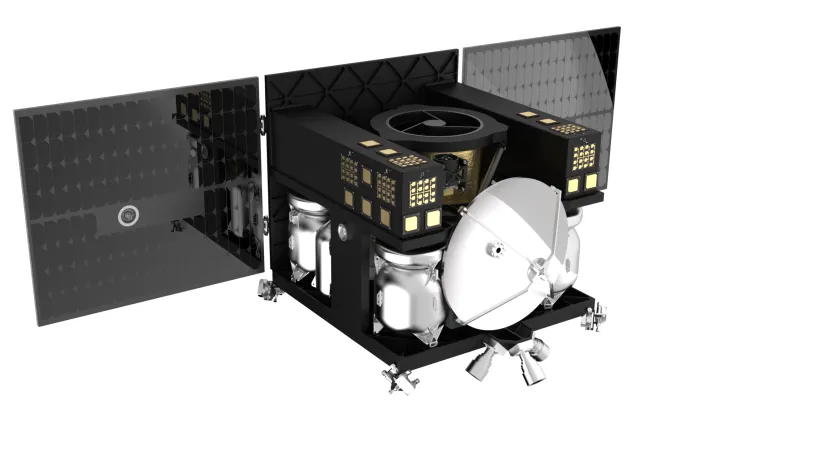
Polish researchers join international project to map lunar surface
The European Space Agency has selected the Máni lunar mission, with Polish participation, for the next phase of its Small Lunar Missions programme.
-

Polish biologist discovers new species of orchid in Peru’s Andes
A previously unknown orchid species has been discovered in the high Andes of Peru, growing at elevations above 3,000 metres, expanding scientific knowledge of one of the world’s most sensitive and specialized plant groups.
-

Polish sheep take patient therapy to the next level with unique ‘observe don’t touch’ approach
A flock of Polish heath sheep will support mental health recovery in Wielkopolska under a new animal-assisted therapy project led by the Poznań University of Life Sciences.
-

Experts Warn Europe must adopt ‘worst-case emissions scenario’ in climate plan
The Committee on the Climate Crisis of the Polish Academy of Sciences is urging that the future European Climate Adaptation Plan (ECAP) adopt the emissions worst-case scenario as a planning baseline, warning that immediate action is needed to adapt to climate change that has already occurred and to limit further warming.
-

Leap in AI development. Polish researchers break impasse in reinforcement learning
A team of computer scientists, including two researchers from Poland, has developed a method that allows reinforcement learning (RL) models to use neural networks with up to thousands of layers, a scale previously considered impossible.
-

Physicists catch elusive four-quark particles at the Large Hadron Collider
Physicists working at the Large Hadron Collider (LHC) near Geneva have obtained the strongest evidence to date for the existence of exotic particles composed of four charm quarks, confirming a prediction that for years existed only in theoretical calculations.
-

Scientists to reconstruct faces of 1410 Battle of Grunwald fighters
Researchers say that the faces of fighters from the 1410 Battle of Grunwald could be reconstructed in just one year with the help of modern genetic and forensic techniques.
-

Polygamy in dogs may have driven their domestication, study finds
The domestic dog is the only canid species whose primary mating system is polygamy, a trait that may have played a key role in its domestication and the spread of dog genes, according to a study led by a Polish researcher and published in the Proceedings of the National Academy of Sciences (PNAS).
Most Popular
-
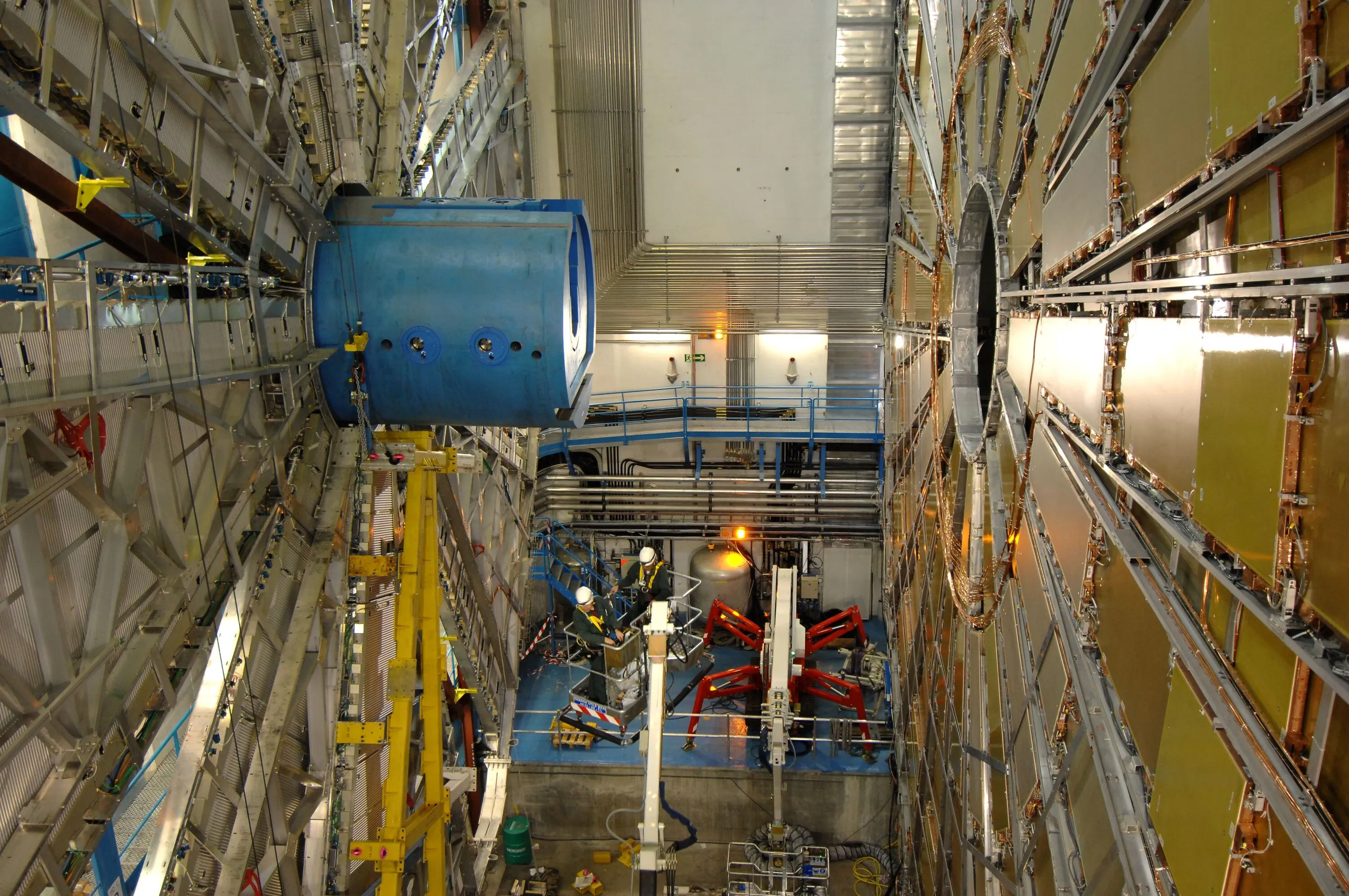
Physicists catch elusive four-quark particles at the Large Hadron Collider
-
Leap in AI development. Polish researchers break impasse in reinforcement learning
-
Bears are adapting diets to climate change, international study finds
-
Feeling lonely alters how we view people and situations, says Polish psychologist
-
Polygamy in dogs may have driven their domestication, study finds