
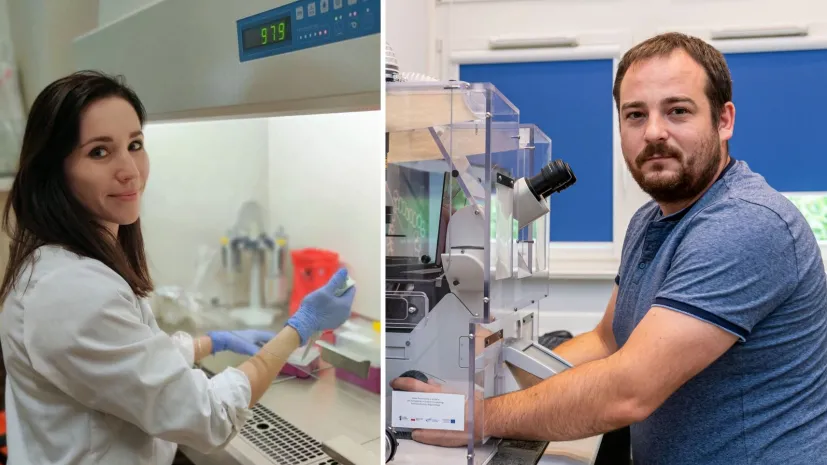
Polish and US scientists find way to halt deadly cell breakdown without harming healthy cells
Scientists from Wrocław University of Science and Technology and the US biotechnology company Genentech have developed compounds that can stop a form of inflammatory cell death without damaging healthy cells.
-
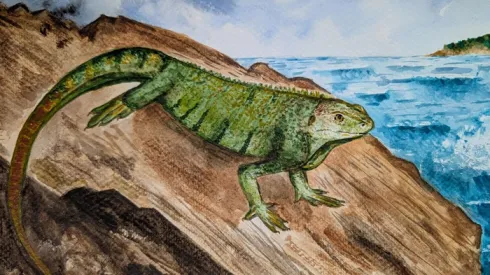
Ancient iguana may have reached Europe by drifting on tree trunks after tsunami
A 44-million-year-old iguana fossil discovered in Turkey suggests the reptiles may have reached Europe by sea, possibly drifting on tree trunks after a tsunami, an international team of palaeontologists has found.
-
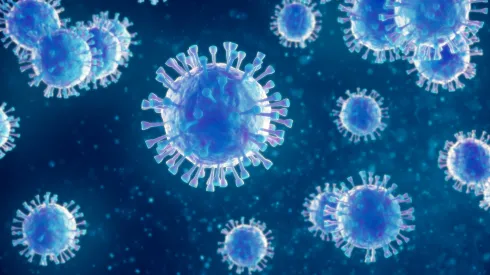
Scientists discover vast hidden world of RNA viruses in cities worldwide
Scientists have identified nearly 55,000 potential RNA virus groups in cities and their surroundings around the world, with about 77% not previously reported, in the largest atlas of urban RNA viruses to date.
-
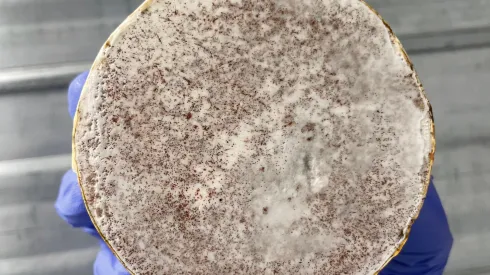
Fungi could help build habitats on the Moon and Mars
Living organisms, including fungi, could become part of space habitats built on Mars and the Moon in the future. They could help make use of local resources while also becoming part of life-support systems, according to architect Monika Brandić Lipińska, PhD, from the University of Innsbruck.
-
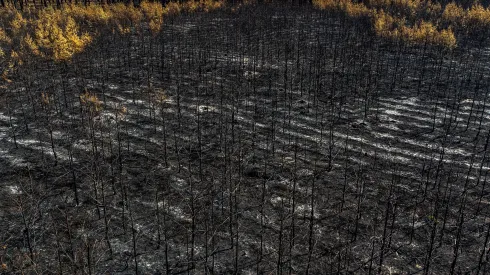
Putting out every forest fire could make future wildfires worse, Polish scientist warns
Putting out every forest fire could paradoxically increase the risk of catastrophic wildfires by allowing combustible vegetation to build up, a Polish researcher has warned, arguing that controlled burning should be considered as part of fire protection as the climate becomes hotter and drier.
-

Researchers investigate how brains of blind people develop
A Polish-German research team has used advanced imaging techniques to study how the brain develops in people who are born blind, finding that structural differences in the visual cortex are linked to reduced myelination rather than clear changes in the process of neural pruning.
-
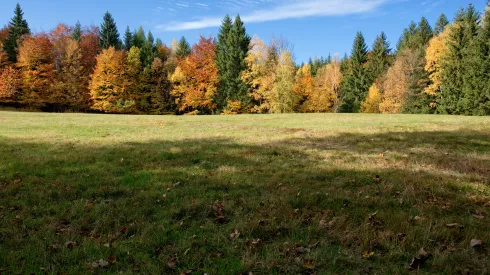
Europe's primeval landscape wasn't endless forest after all, surprising study finds
Europe's primeval landscape was not an endless expanse of dense forest as long believed, but a patchwork of woodland, meadows and grasslands maintained by large grazing animals, according to a new study.
-
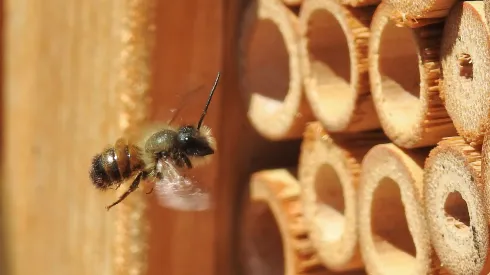
Heatwaves leave bees smaller and weaker for life, Polish study finds
Heatwaves lasting just a few days can leave wild bees permanently smaller and weaker, reducing their ability to pollinate crops and wild plants, according to new research by Polish scientists.
-
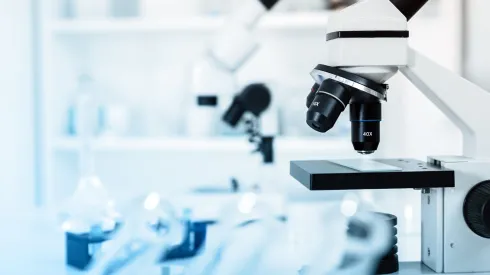
Polish researcher's team first to build synthetic cell from scratch
A team of scientists from the University of Minnesota, led by Polish researcher Katarzyna (Kate) Adamala, has created a synthetic cell capable of taking in nutrients, growing and dividing using only non-living components. The achievement, reported by Science, marks the most advanced step so far towards building a synthetic equivalent of a living cell from scratch.
-
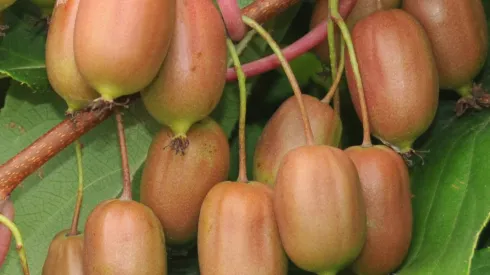
Polish-grown mini kiwis ‘may help slow ageing’
Small kiwi-like fruits that grow well in Poland could help slow the body's ageing process and reduce the risk of diseases such as type 2 diabetes, according to new research by Polish scientists.
Most Popular
-

Polish and US scientists find way to halt deadly cell breakdown without harming healthy cells
-
Spreading conspiracy theories ‘builds inter-group hatred’
-
Procrastination is best combated with positive reinforcement, Polish research shows
-
Polish scientists calculate how to send icy worlds crashing into Mars to thicken its atmosphere
-
Scientists discover vast hidden world of RNA viruses in cities worldwide
Recommended
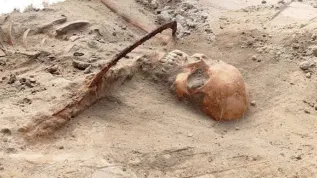
‘Vampire’ grave mystery deepens as 17th-century woman ‘may have been an outsider’
A 17th-century woman buried with a sickle around her neck and a padlock on her toe may have come from outside the local community, while a mysterious copper object placed in her mouth suggests locals took further measures to protect themselves from her after death, new research shows.