
-
AI ‘hacks our thinking system' to appear correct, wants expert
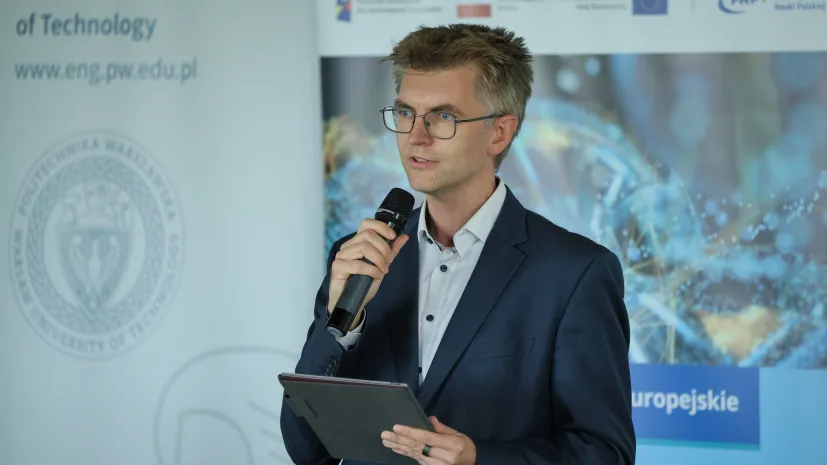
AI models are designed to persuade and appear correct, but they do not truly understand the world, and this can make them dangerous in high-risk areas, according to Professor Przemysław Biecek, Director of the Centre for Credible Artificial Intelligence (CCAI) at Warsaw University of Technology.
-
Astronomers find proof of rogue planets
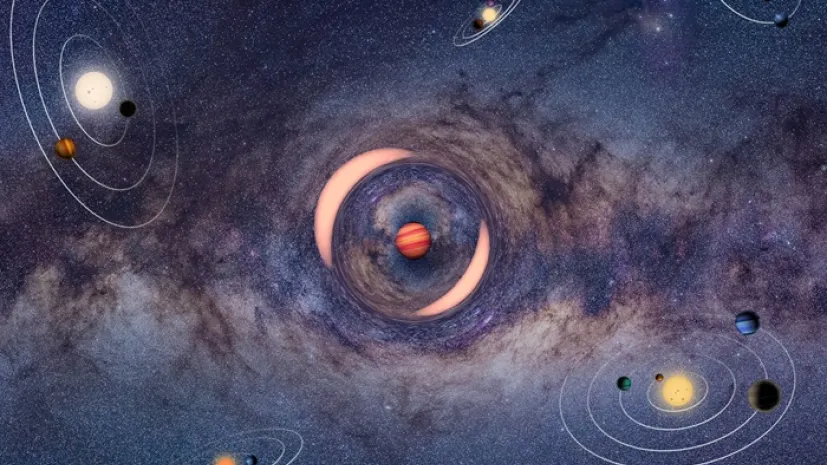
An international team of astronomers, including researchers from Poland, has discovered a free-floating, or rogue, planet and precisely measured its mass for the first time, providing direct proof that such objects exist, according to a study reported by the journal Science.
-

Study explains why people secretly enjoy the misfortune of others
People often experience satisfaction when others fail or suffer, particularly when the misfortune affects someone who has previously provoked them, according to research published in the journal Cognition and Emotion.
-
Archaeologists uncover unknown hut structures and possible early medieval port in Poland
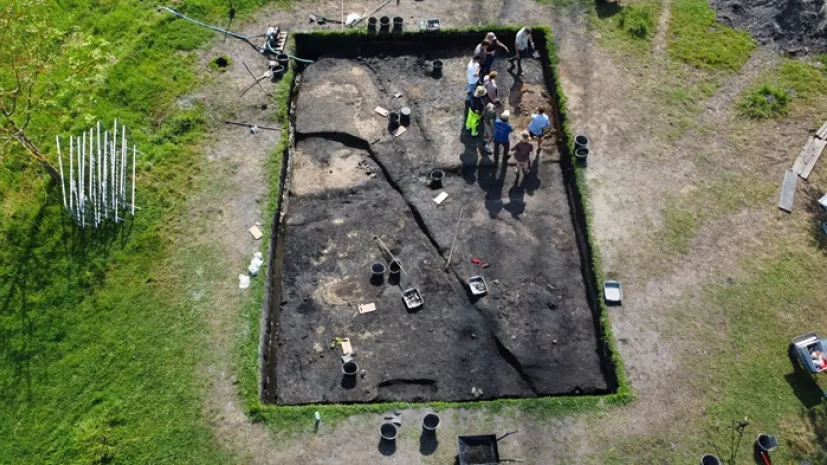
Archaeologists in the Polish town of Wolin have discovered the remains of four huts of previously unknown construction, hundreds of everyday artefacts and possible traces of an early medieval port, findings that suggest the history of the town may be more complex than previously assumed.
-
New snake species from 37 million years ago sheds light on early evolution of 'advanced snakes'
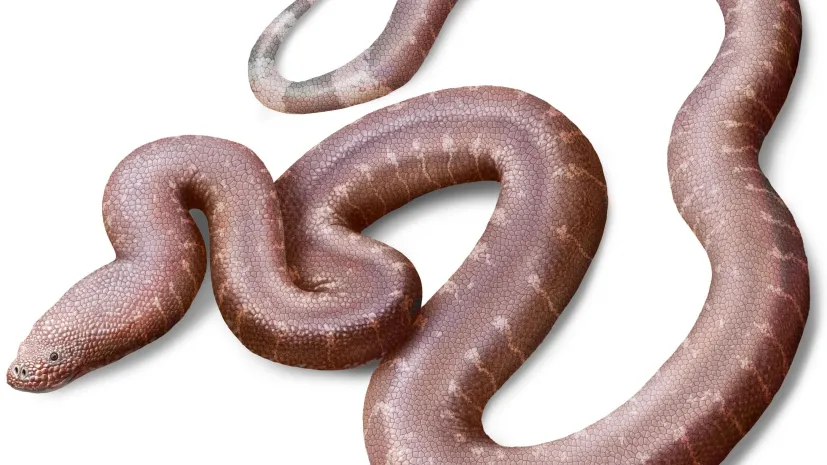
A newly identified snake species from 37 million years ago is providing rare insight into the early evolution of caenophidians, the group that today dominates snake diversity worldwide, according to palaeontologists who described the fossil based on material from southern England.
-
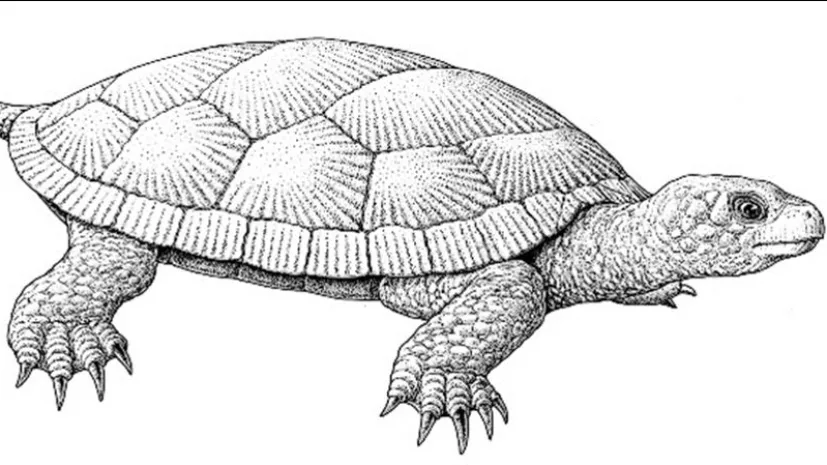
Fossil turtle Shells from Jurassic Poland record ancient ecological interactions, study finds
Scientists at the University of Warsaw have analysed unusual cavities preserved on the shells of sea turtles that lived 150 million years ago, concluding that the marks record ancient interactions with parasites, symbionts and predators.
-
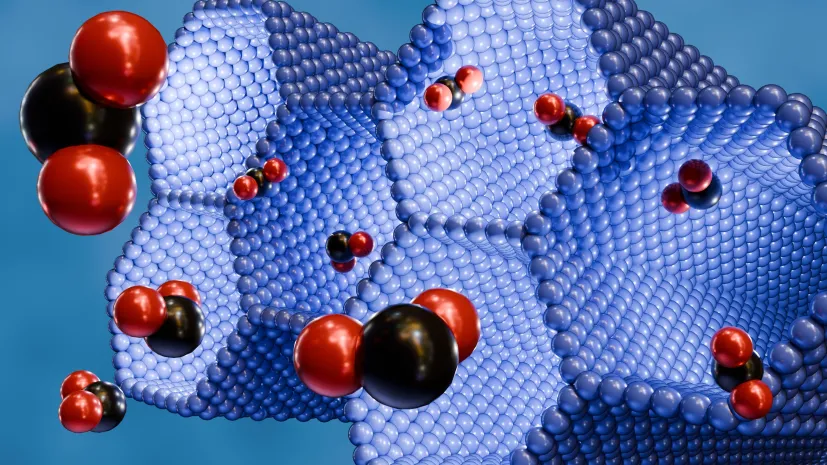
Warsaw researchers develop eco-catalyst to transform carbon dioxide and glycerol
Scientists at the University of Warsaw have developed a nanocatalyst that transforms waste glycerol and carbon dioxide into glycerol carbonate, a potentially cheaper and greener route for producing materials used in lithium-ion batteries, bioplastics, and pharmaceuticals.
-
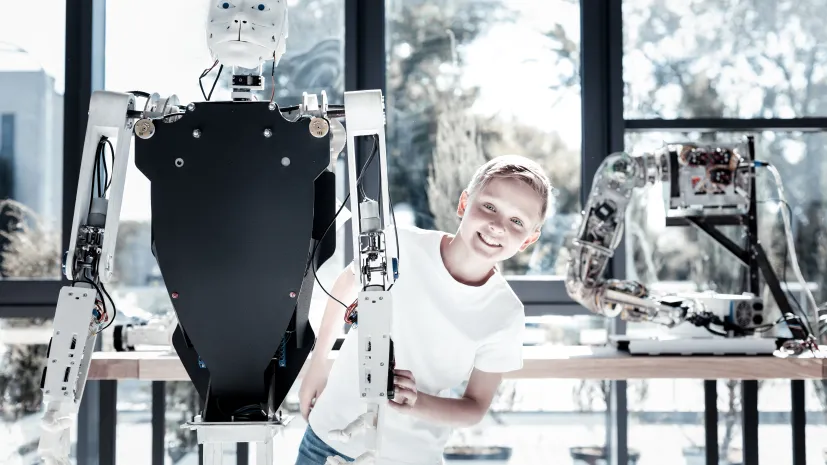
Children treat robots politely regardless of communicative style, Polish researchers find
Children remain polite to robots even when the machines speak to them in a commanding manner, Polish researchers have found. The finding challenges the assumption that children automatically imitate the communication style of machines.
-
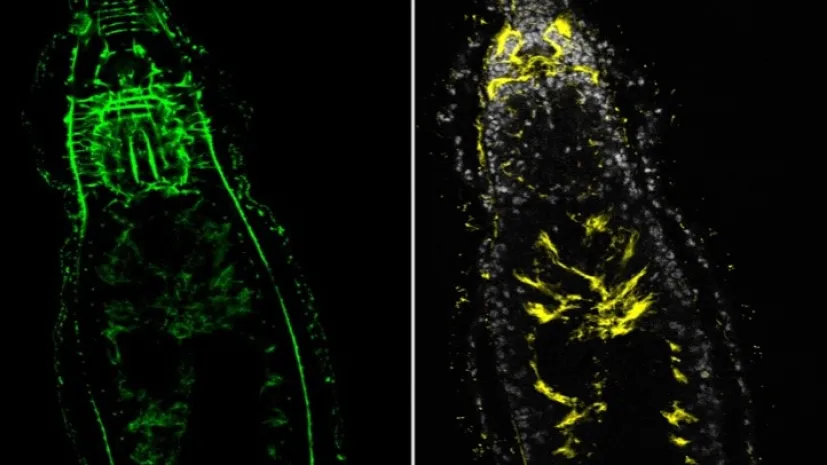
Two-headed worms discovered by Polish scientists
Scientists at the University of Warsaw have discovered flatworms that spontaneously develop a second, fully formed head where a tail should have been, a phenomenon previously unknown in the animal kingdom. Despite the anomaly, the two-headed worms were able to feed and move, though movement was clumsy, researchers said.